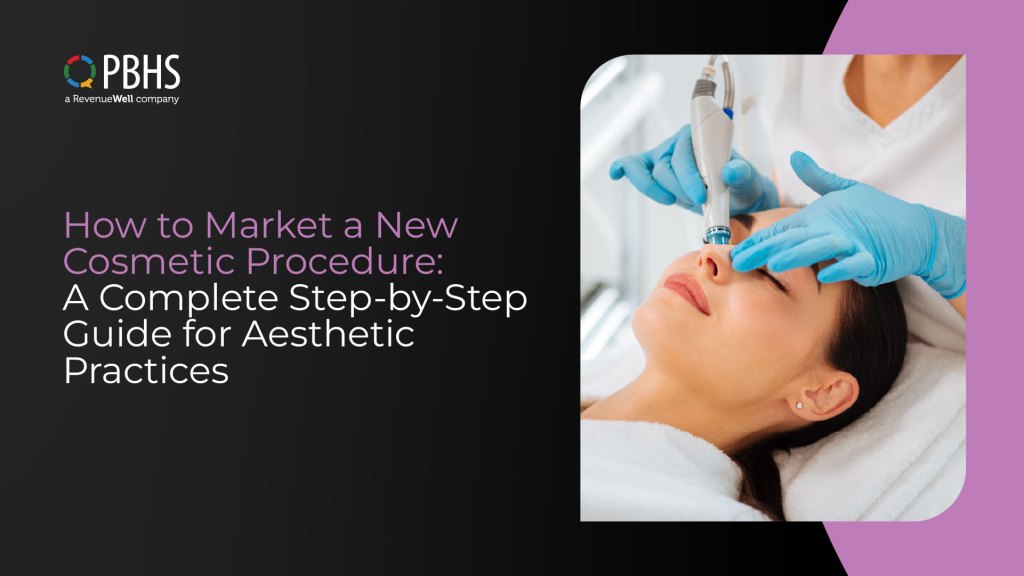
So, you’ve just added a brand-new, cutting-edge cosmetic procedure to your practice. Maybe it’s a new laser treatment, a non-invasive contouring device, or the latest injectable that’s trending on social media.
You’re excited. Your team is trained. The equipment is ready to go.
But now what?
How do you let patients know it’s available—and more importantly, how do you get them booking appointments?
Successfully marketing a new procedure takes more than just tossing it on your website and posting it once on Instagram. It’s about building awareness, educating patients, and creating enough interest to generate real demand. From search engine visibility to in-office conversations, every touchpoint matters.
Here’s your complete, step-by-step marketing guide to ensure your new procedure gets the attention—and bookings—it deserves.
Step 1: Get Crystal Clear on Your Messaging
Before you start promoting, take a step back and define the “why” behind this service. Patients want to know what makes a procedure worth their time, money, and trust.
Ask yourself:
- What makes this procedure unique in your market?
- What problems does it solve for patients?
- Who is the ideal candidate?
- What kind of results should people expect?
Your answers form the foundation of all your marketing. When you communicate benefits clearly (e.g., “tightens skin without surgery” or “no downtime body sculpting”), patients are more likely to pay attention and take action.
Pro Tip: Document a short internal FAQ or one-pager so your team stays consistent in how they explain the service.
Step 2: Add the Procedure to Your Website
Once your messaging is nailed down, it’s time to update your website. This is often where patients first land when researching a treatment—so your new procedure needs its own dedicated page that educates, builds trust, and converts.
Make sure your page includes:
- A clear and engaging headline
- Concise overview of what the procedure is and how it works
- Bullet points outlining benefits and outcomes
- Candid info on downtime, results, and treatment process
- Photos or videos of the procedure and results
- FAQs that overcome objections or hesitations
- Strong calls-to-action like “Book a Consultation” or “Request More Info”
To help patients find this page, it must also be optimized for search engines.
For SEO, include:
- Keywords like “[procedure name] in [city]” or “non-surgical [benefit] treatment”
- Image alt text with relevant descriptors
- Structured headers (H1, H2, H3) for easy reading and crawling
- Internal links to relevant service pages or blog content
Pro Tip: Use a keyword research tool to discover what your potential patients are searching for—and mirror their language in your copy.
Step 3: Build a Conversion-Focused Landing Page
In addition to your SEO-friendly website page, create a dedicated landing page for your paid ad campaigns. Unlike your website, this page should be tightly focused on getting people to take action—no distractions, just results.
Your landing page should include:
- A clear headline that states the key benefit
- Short, benefit-rich content in bullet form
- Before-and-after photos or testimonial videos
- Social proof like reviews or real patient quotes
- A simple form or CTA button (e.g., “Claim Your Free Consultation”)
Unlike your website page, this page should remove the menu and other navigation links—keeping users focused on one goal: booking.
Step 4: Update Your Local Listings and Google Map Pack
Patients often discover new treatments through local search—especially when they’re searching on mobile. If your Google Business Profile isn’t updated, you’re missing a key step in local visibility.
Here’s what to do:
- Add the new procedure to your service offerings
- Update your business description to include the treatment and keywords
- Post a Google update announcing the service with a photo or offer
- Upload new treatment-related photos to your gallery
- Ask patients who’ve tried the new service to leave a review mentioning it by name
Pro Tip: Don’t forget to update other platforms like Yelp, RealSelf, and Healthgrades with your new service for consistent visibility across the web.
Step 5: Promote Organically on Social Media
Now it’s time to spread the word to your followers and fans. Social media is where buzz happens—especially when it comes to aesthetics. But don’t just post once and call it a day. Create a small campaign around the launch.
Content ideas include:
- Countdown to the launch
- Behind-the-scenes of your team learning or prepping
- Short Reels or TikToks explaining the procedure
- FAQs and myth-busting posts
- Patient testimonials or before-and-after spotlights
- A live Q&A with a provider
Be sure to link back to your new service or landing page in captions, bios, and stories.
If you need help building out your strategy, check out our guide: 8 Social Media Strategies to Improve the Patient Experience
Step 6: Launch Paid Ads on Google and Meta
Paid advertising can help you reach brand-new audiences who haven’t heard of your practice yet—but are actively looking for treatments like the one you just launched.
For Google Ads:
- Bid on high-intent search phrases like “[procedure] cost in [city]”
- Use location targeting to show your ads to nearby users
- Include sitelinks or call extensions for added visibility
- Make sure conversion tracking is set up on your landing page
For Meta Ads (Instagram + Facebook):
- Use eye-catching images or short videos
- Target interest-based audiences (beauty, skincare, aesthetics)
- Build lookalike audiences based on your existing patients or followers
- Test different messages to see what resonates with your audience
Pro Tip: Don’t forget to test multiple versions of your ad creative to optimize results over time.
Step 7: Email Your Current Patients
Never underestimate the power of your existing patient base. They already know and trust you, so they’re more likely to try a new service with less hesitation.
What to include in your launch email:
- Announce the new procedure with a bold subject line
- Share what it is, how it works, and why it’s exciting
- Offer a limited-time incentive (free consultation, $ off first treatment, etc.)
- Include a clear CTA linking to your landing page
Pro Tip: Segment your list by interest or service history. For example, send your new body contouring offer to patients who’ve had CoolSculpting or Emsculpt in the past.
Step 8: Train Your Team (Especially the Front Desk)
Marketing only works if your in-house team is aligned. Make sure your front desk, treatment coordinators, and providers are prepared to confidently speak about the new procedure.
They should know:
- Who’s a good candidate
- What the treatment involves
- Key benefits, downtime, and results timeline
- How to guide interested patients toward a consultation
Create cheat sheets or scripts to help them stay consistent when talking about the new offering, whether on the phone or in person.
Step 9: Use a Limited-Time Offer to Create Urgency
A great way to boost early bookings is by giving patients a reason to act now rather than later. Launch with a special offer to create momentum.
Promo ideas:
- Introductory pricing or limited-time discounts
- Free consultations for early bookings
- Treatment bundles (e.g., get a free add-on with purchase)
- Loyalty points or referral incentives
Make sure to promote your offer across channels—your website, social media, emails, and even with signage in your waiting area.
Step 10: Track, Tweak, and Optimize Your Results
Your work isn’t done after launch day. In fact, this is when the real marketing begins. Watch your performance across all channels to see what’s working and what needs improvement.
Monitor:
- Landing page conversion rates
- Ad click-through rates and cost-per-lead
- Website traffic to your new procedure page
- Number of bookings or consults generated
Use this data to adjust your messaging, reallocate your budget, or create new content to support what’s resonating most with patients.
Final Thoughts: Marketing a New Procedure Is a Team Effort
Introducing a new aesthetic service isn’t just about posting on social media—it’s about launching a complete, integrated marketing plan that spans your website, search, social, ads, and patient communication.
When done well, it can boost your revenue, strengthen your brand, and position your practice as a leader in your market.
Ready to launch your next procedure with confidence? We help aesthetic practices like yours create custom marketing campaigns that drive real results. Explore our digital marketing services or schedule a free strategy session today.